005. Using the Lunar Cycle to Manifest
Twice a month, astrologers’ social media feeds become flooded with information on Full Moons and New Moons, the two most well known and emphasized phases of the lunar cycle. However, it is far less common for the underlying conceptual framework of the cycle itself to be explained.
At its core, the lunar cycle is based on the aspects, or interactions, between the Sun and the Moon. The type of aspect present gives rise to the specific energetic quality of each lunation. The Sun represents conscious will, vitality, and identity, while the Moon represents intuition, emotion, and the subconscious. It is the ongoing interaction between these two luminaries that produces the manifestation cycle as it is commonly understood in astrology.
The four primary aspects highlighted in the lunar cycle are the conjunction, waxing square, opposition, and waning square.
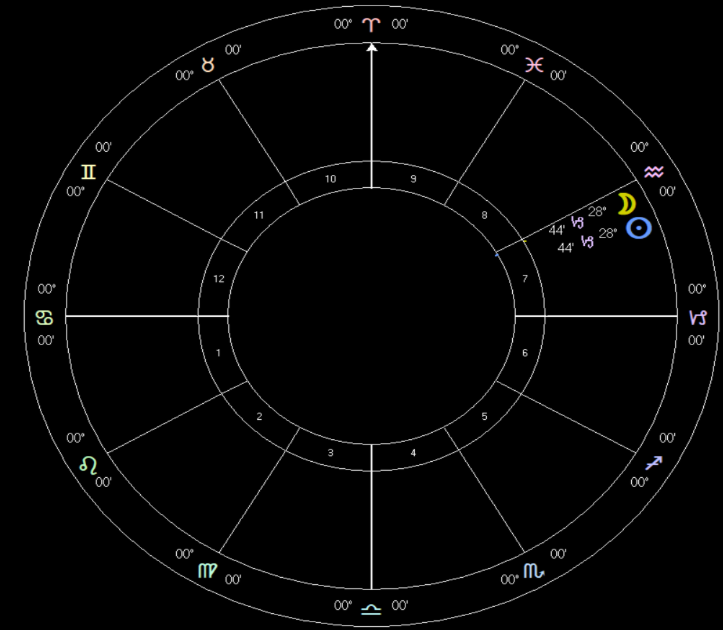
New Moons and Conjunctions
New Moons are defined by the conjunction between the Sun and the Moon. This phase marks the beginning of a new lunar cycle and is traditionally associated with new beginnings.
During this phase, the conscious and subconscious principles are intertwined, offering an opportunity to align goals with an inner sense of direction. Because a new cycle is beginning, this phase can also symbolize the ending of a previous cycle or a process of renewal or rebirth.
This is a time best suited for planning and observation rather than immediate action. By understanding where a cycle begins, energy can be more intentionally directed as the lunar cycle progresses and the Moon gains light. During a New Moon, the Moon is not visible in the sky, further emphasizing themes of mystery, gestation, and unrealized potential.
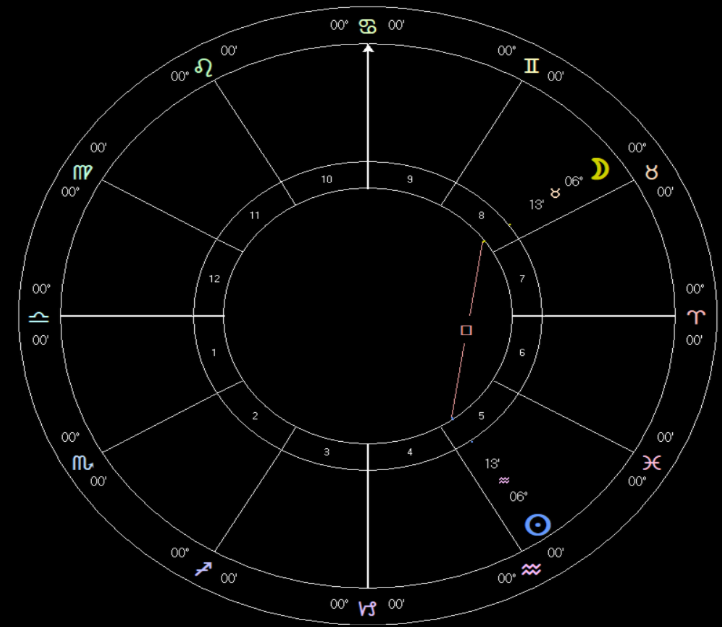
Waxing Square and the First Quarter Moon
The Waxing Square marks the second major phase of the lunar cycle, where the Sun and Moon form a square aspect with the Sun overcoming the Moon. Overcoming occurs when a planet is earlier in zodiacal order or further clockwise in the chart.
At this stage, the vitality of the Sun interacts with the Moon as it gains in light and momentum. This aspect is considered one of the most challenging phases of the cycle, representing obstacles, friction, and the effort required to move intentions toward fruition.
During the Waxing Square, analysis and adjustment become necessary. This is a time to pivot where needed and apply effort more strategically in order to reach the culmination of the cycle at the Full Moon. In electional astrology, waxing phases are often preferred for initiating projects or supporting growth oriented endeavors due to their increasing and expansive quality.
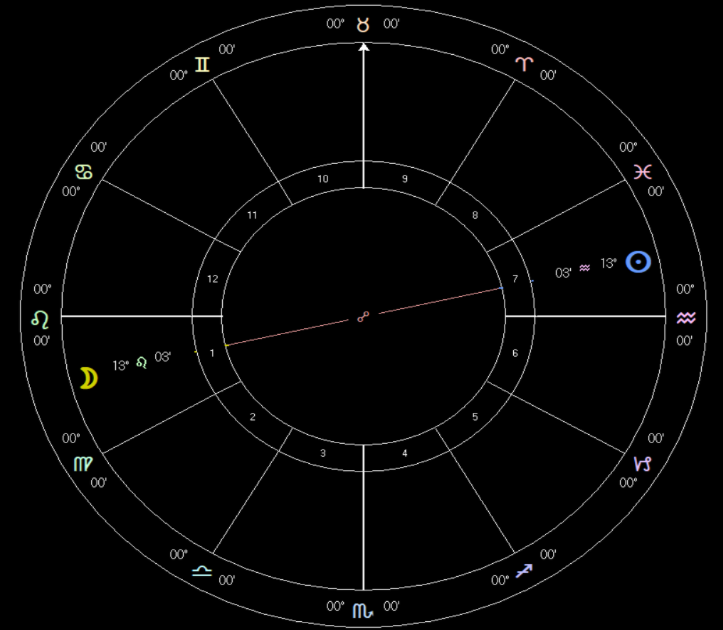
Full Moons and Oppositions
The Full Moon occurs when the Sun and Moon are in opposition, directly facing one another across the zodiac. At this point, the Moon is fully illuminated, allowing subconscious material to be brought into conscious awareness.
Because the Sun and Moon are operating from equal footing, Full Moons are associated with culminations, completions, and realizations. This phase represents the peak of the lunar cycle, where efforts and intentions reach full expression.
Full Moons are often a time for observation and reflection. Matters that have been developing throughout the cycle may come to a head, and emotional awareness tends to increase. It is the intensity and visibility of this moment that gives Full Moons their reputation for heightened emotional and psychological activity.
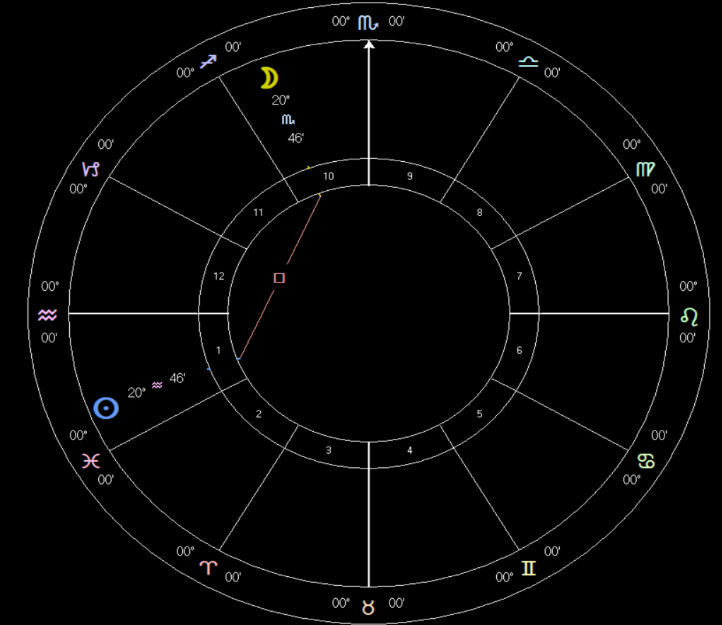
Waning Square and the Last Quarter Moon
The Last Quarter Moon is marked by another square between the Sun and the Moon. What distinguishes this phase from the Waxing Square is that the Moon now overcomes the Sun rather than the other way around.
With the Moon in a dominant position, this phase emphasizes release, integration, and restoration. The waning portion of the lunar cycle highlights the nurturing and reflective qualities of the Moon. In electional astrology, waning phases are often used for bringing matters to a close, ending projects, or letting go of what is no longer needed.
Themes such as cleaning, rest, meditation, and spiritual renewal become more prominent during this time, as energy naturally turns inward and begins to wind down.
Working With the Lunar Cycle as a Whole
When possible, projects and intentions benefit from being aligned with the rhythm of the lunar cycle. Waxing phases support growth, effort, and expansion, while waning phases are better suited for release, reflection, and consolidation.
New Moons and Full Moons serve as pivotal turning points within the cycle, marking beginnings and culminations respectively. By understanding how each phase contributes to the larger process, the lunar cycle can be used not just symbolically, but practically, as a framework for timing, manifestation, and intentional living.
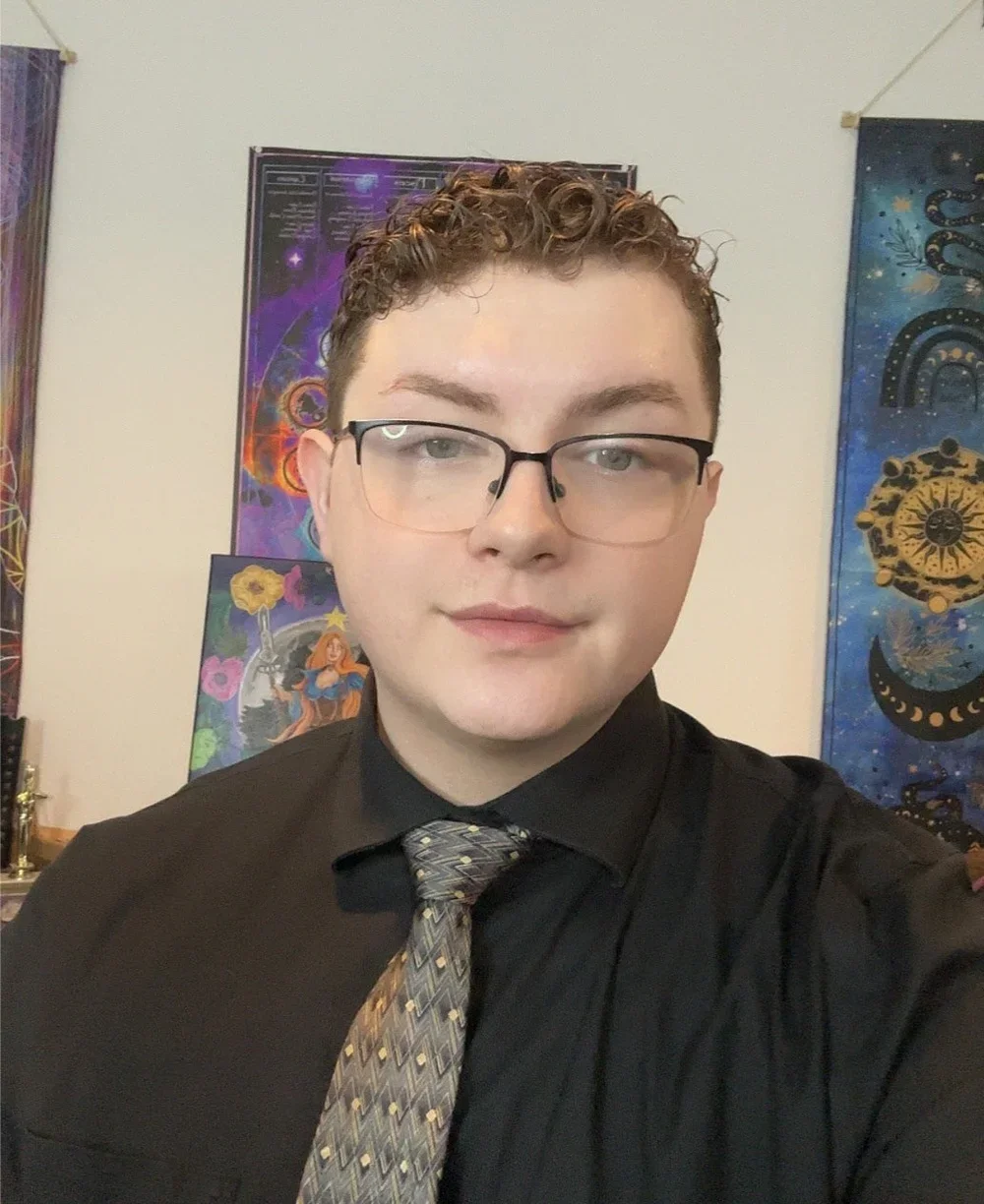
Corey Neulieb, Founder of Pathway Light by Corey
Corey Neulieb is a traditional astrologer, astrology educator, and consulting practitioner who has been studying and practicing astrology seriously since 2020. His work draws primarily from Western and Hellenistic traditions, with an emphasis on historical techniques, foundational symbolism, and experiential learning.
In addition to teaching and writing, Corey offers astrology consultations that focus on practical application, clarity, and long-term understanding. His consulting work informs his educational approach, grounding astrological concepts in lived experience and repeated observation rather than abstract theory alone.
Corey’s teaching philosophy centers on the belief that book study forms only part of the learning process. While structured study is essential, meaningful astrological understanding develops through experience—working with charts, tracking cycles, and reflecting on how symbolism manifests over time. Through writing, education, mentorship, and consultation, Corey aims to support students and clients in building a thoughtful, grounded, and enduring relationship with astrology.
